
Future of Cloud and Edge Computing 2026
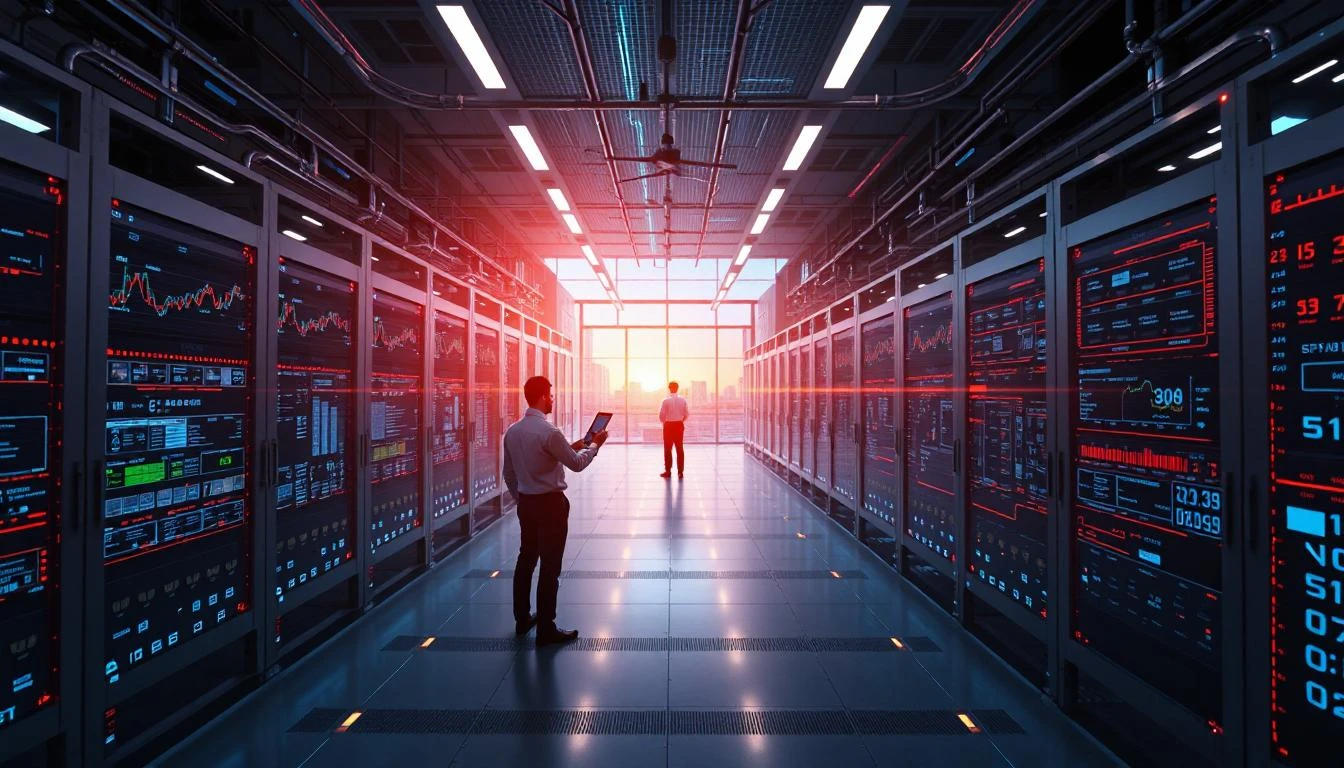
The digital ecosystem is evolving faster than most organizations can adapt, and at the heart of this transformation lies a silent revolution in distributed intelligence. Data is no longer confined to centralized servers; it flows, reacts, and adapts across global nodes in real time, reshaping how modern systems behave and interact.
What once felt like a predictable cloud environment has now become a dynamic, self-adjusting network. This shift is redefining how businesses think about performance, resilience, and digital experience in a deeply interconnected world.
The rise of edge cloud infrastructure is accelerating this transformation across industries, especially within global marketplace systems where speed and responsiveness define success.
Evolution of Cloud Computing Infrastructure
Cloud computing has matured into a multi-layered ecosystem where centralized control is no longer sufficient. Businesses are now moving toward distributed intelligence systems that respond instantly to user demands across geographies.
The conversation around edge cloud infrastructure is becoming central to how enterprises design modern digital ecosystems, especially as demand for real-time services continues to grow.
Supporting keyword integration: The growing importance of latency, hybrid cloud, and scalability is reshaping how cloud systems are architected for global workloads.
Distributed models are replacing monolithic systems, enabling faster decision-making and improved system resilience. According to Dr. Michael Porter, “Competitive advantage in digital systems now depends on responsiveness rather than capacity alone.”
Distributed Cloud Environments
Distributed environments allow workloads to be processed closer to the user. This reduces system strain and enhances reliability. Instead of relying on a single data center, intelligence is now scattered across multiple regions, forming a more adaptive architecture.
Hybrid and Multi Cloud Strategies
Organizations increasingly combine private and public infrastructures to optimize flexibility. Hybrid cloud approaches allow seamless workload shifting, ensuring systems remain responsive even during peak demand cycles.
Green Cloud Computing Initiatives
Energy-efficient infrastructures are becoming essential. Cloud providers are investing in renewable energy and optimized data center designs, reducing environmental impact while maintaining high performance standards.
Rise of Edge Computing Technology
The shift toward edge computing is fundamentally changing how data is processed and delivered. Instead of sending everything to centralized servers, computation is now happening closer to the source of data generation.
This transformation is tightly connected to the expansion of edge cloud infrastructure, especially in industries requiring instant responsiveness.
Supporting keyword integration: The increasing demand for latency reduction, IoT integration, and scalability is driving rapid innovation in edge-based systems.
According to Satya Nadella, “The future of computing is not about centralization, but about intelligence distributed everywhere it is needed.”
Real Time Data Processing at Edge
Edge systems process information instantly, enabling real-time analytics for industries like fintech, healthcare, and digital marketplaces where milliseconds matter.
IoT Integration with Edge Networks
IoT devices generate massive data streams that require localized processing. Edge networks handle this load efficiently, reducing bandwidth strain and improving responsiveness.
Low Latency Application Development
Modern applications are being designed with ultra-low response time in mind. From AR shopping to live trading platforms, reducing latency has become a core development priority.
Security and Performance Optimization in Cloud Edge
As systems become more distributed, security and performance must evolve together. Traditional centralized security models are no longer sufficient for complex cloud-edge environments.
The expansion of edge cloud infrastructure introduces new security challenges that require adaptive and intelligent frameworks.
Supporting keyword integration: Scalability, hybrid cloud, and intelligent monitoring systems are now essential for maintaining operational stability.
Security is shifting toward decentralized intelligence models that detect threats closer to their origin points, reducing response time and improving protection accuracy.
Edge Based Cybersecurity Frameworks
Security is embedded directly into edge nodes, enabling faster detection of anomalies and reducing dependency on centralized monitoring systems.
AI Driven Workload Balancing
AI systems dynamically distribute workloads based on system demand. This ensures optimal performance and prevents resource bottlenecks in real time.
Data Sovereignty and Compliance Control
With global regulations tightening, organizations must ensure data is processed within legal boundaries. Edge computing allows localized data governance while maintaining global efficiency.
Explore the Future of Cloud and Edge Computing Today
The convergence of cloud and edge technologies is creating a new digital paradigm where intelligence is no longer centralized but distributed across every layer of the network. This shift is especially visible in global marketplace ecosystems, where user expectations continue to rise.
Supporting keyword integration: The expansion of edge cloud infrastructure, along with improvements in latency, hybrid cloud, and scalability, is defining the next era of digital transformation.
According to Ginni Rometty, “Technology is most powerful when it becomes invisible, working seamlessly in the background to enhance human capability.” Another insight from Andrew Ng reinforces this direction: “AI and distributed systems will merge to become the foundation of next-generation digital infrastructure.”
These perspectives highlight a clear reality: computing is moving closer to users, becoming faster, smarter, and more adaptive.